Interior design rendering services with photorealistic 3D renderings for cabinetry planning
What is 3D Rendering?
3D rendering is a digital visualization that shows cabinetry, walls, appliances, and materials with real proportions before construction begins. Interior design rendering services translate design drawings into photorealistic images so homeowners can evaluate layout, finishes, and lighting in context. For cabinetry projects, renderings help confirm door style, storage balance, and visual weight before the order moves into production.
How 3D Renderings Support Better Cabinetry Decisions
Why do we often render before ordering?
When homeowners are researching interior design rendering services, they are usually trying to avoid uncertainty before ordering cabinetry. When cabinetry decisions stay on a screen as drawings alone, small details can feel abstract.. A photorealistic rendering turns the plan into something you can visualize in your home, which makes finish choices, door style, and layout feel more concrete. We use renderings as part of cabinetry planning for kitchens, wardrobes, and custom built-ins, so the design direction can be confirmed before the order moves forward.
Confidence in the layout before you commit
A rendering helps you see the room as a whole, which makes it easier to judge spacing and balance. That can reduce second guessing around islands, tall storage, and how the cabinetry meets walls and ceilings. It also gives you a clear reference point when you talk through priorities during design development.
Finish decisions build around your lighting
Finish tone and sheen can shift dramatically based on daylight and fixture lighting. A rendering helps you sanity check the finish direction across larger surfaces, then the showroom confirms real samples side by side. When you pair both steps, decisions tend to move faster and feel more grounded.
Fewer suprises around proportion and Visual Weight
When homeowners are researching interior design rendering services, they are usually trying to avoid uncertainty before ordering cabinetry. When cabinetry decisions stay on a screen as drawings alone, small details can feel abstract.. A photorealistic rendering turns the plan into something you can visualize in your home, which makes finish choices, door style, and layout feel more concrete. We use renderings as part of cabinetry planning for kitchens, wardrobes, and custom built-ins, so the design direction can be confirmed before the order moves forward.
What a rendering helps you resolve.
Renderings bridge the gap between early ideas and a finished room by making scale, finishes, and lighting easier to judge before construction begins. We render cabinetry details with true-to-life proportions so the room can be evaluated as a complete plan.
Layout and spacing
Renderings help you confirm clearances, aisle widths, and how doors and drawers relate to the rest of the room. They also help you spot pinch points near appliances, corners, or walk paths. That reduces friction during the later phases of drawings and ordering.
Finish balance across cabinetry, worktops, and surrounding materials
A rendering helps you see how finishes work together across a full run of cabinetry, an island, and any integrated panels. It also makes it easier to evaluate contrast between matte and gloss, or between wood tones and painted surfaces. The showroom then becomes the place where you confirm the real finish library and finalize the direction.
Lighting impact and reflection
Lighting affects how edges read and how reflective surfaces behave. A rendering gives you a realistic sense of how a finish might feel in the room at different times of day. That matters in open concept spaces where the kitchen and living areas share sightlines
Proportion and overall look
Renderings help you judge whether the cabinetry feels too tall, too dense, or too broken up. They also help you evaluate door style, panel rhythm, and where the eye lands first. If the goal is a calm space that holds up over time, proportion decisions matter as much as finish choices.
How 3D renderings fit into our cabinetry design process.
Renderings support design development, then ordering and delivery coordination follow once the direction is confirmed. The showroom visit remains the practical step for finish comparison, since real samples are where decisions become final.
Showroom First for Finish Direction
A showroom visit helps you narrow the finish direction early by comparing tone, sheen, and texture side by side. That makes the later design work more efficient because the rendering builds on decisions you already feel good about. Bring photos of your space so the conversation stays anchored to your home.
Drawings and PLanning Next
Once the direction is clear, drawings and layout planning refine storage, proportions, and how the cabinetry supports daily use. A rendering can be layered into that stage when a visual check would help you decide between options. This is especially useful for larger kitchens, long walls of cabinetry, or projects with multiple zones.
Ordering and Coordination after approvals
After selections are confirmed, the project can move into ordering and coordination. Renderings tend to reduce late changes, which supports cleaner sequencing for delivery and installation coordination. If your scope includes more than one room, renderings can also help keep the home feeling consistent.
When do renderings make sense for a cabinetry project?
Not every project needs a rendering. Smaller kitchens or simple cabinetry layouts can often be confirmed with drawings and showroom finish comparisons alone. Renderings become more valuable when the space includes multiple cabinetry zones, integrated appliances, or large visual surfaces such as islands or wall units.
Projects where renderings provide the most clarity
Renderings are most helpful for open concept kitchens, long living room wall units, walk-in wardrobes, and projects where lighting conditions change the appearance of finishes. In these cases, the rendering acts as a final visual check before cabinetry production begins.
Why 3D Rendering Matters?
Our interior design rendering services create photorealistic 3D images that show cabinetry layouts and finishes before ordering begins. These renderings help homeowners across San Diego and Orange County confirm proportions, balance, and design direction before committing to production. A visit to the Solana Beach showroom is the best place to compare materials and decide whether a rendering makes sense for your project.
3D RENDERING GALLERY
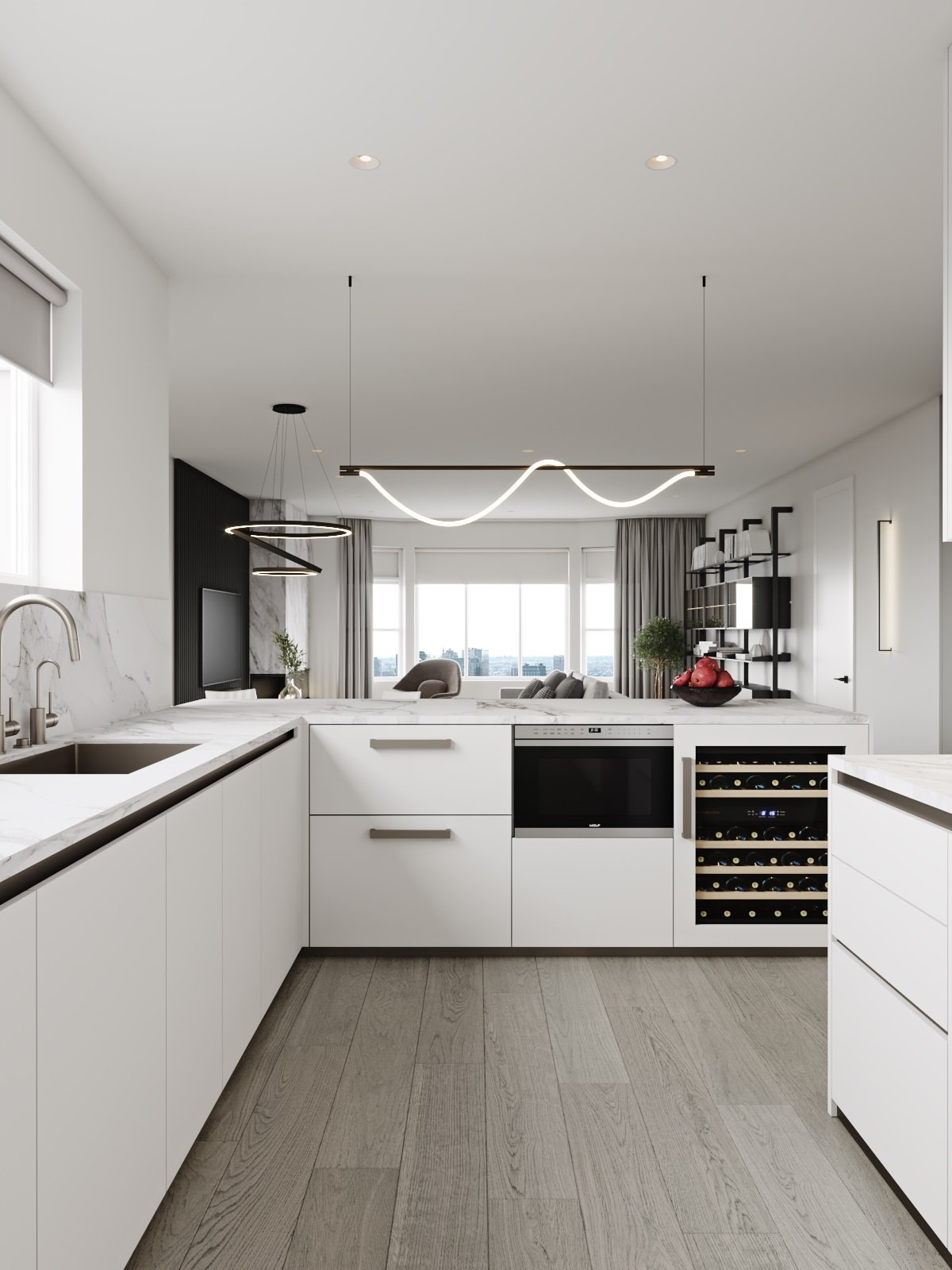
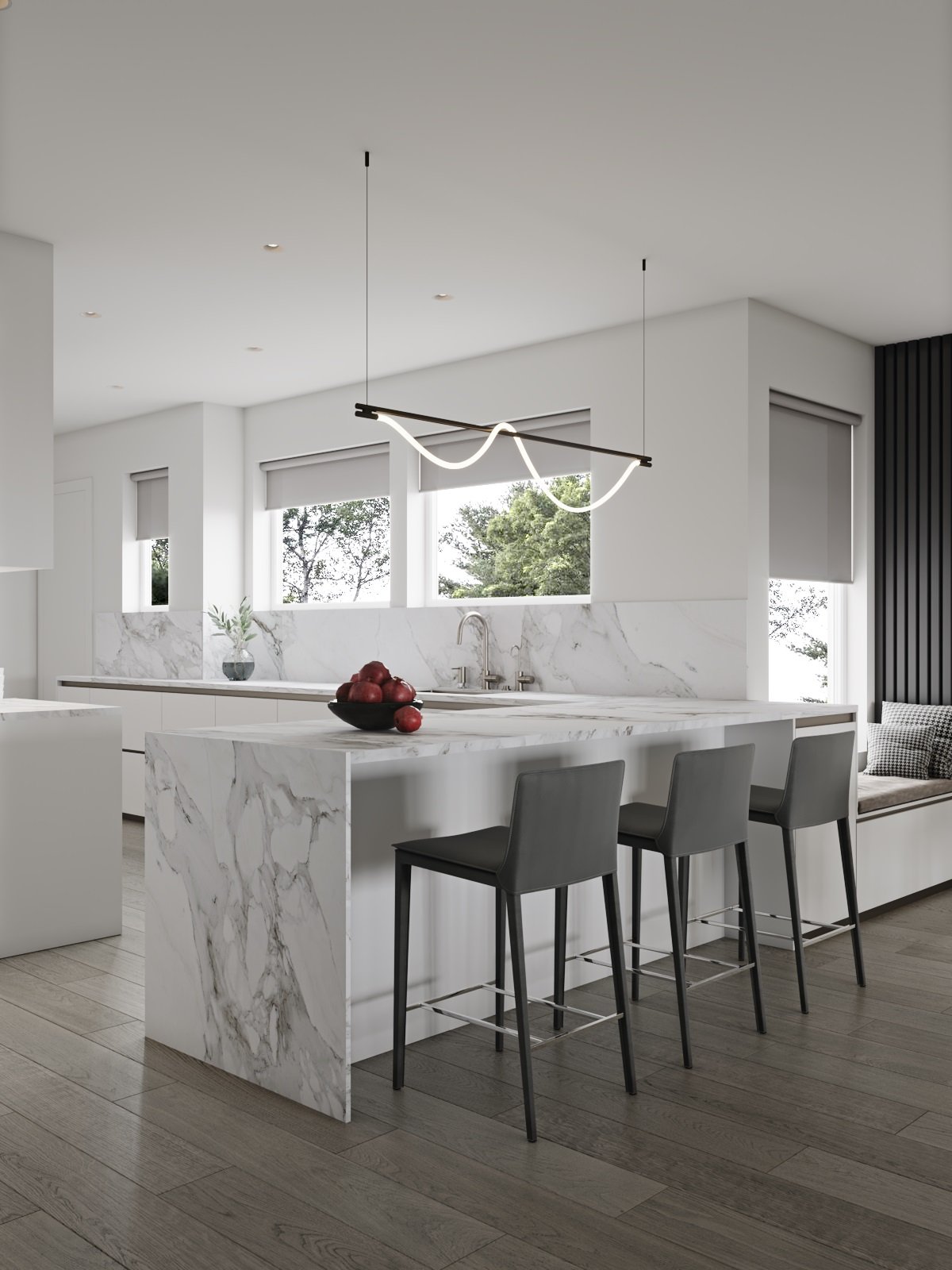
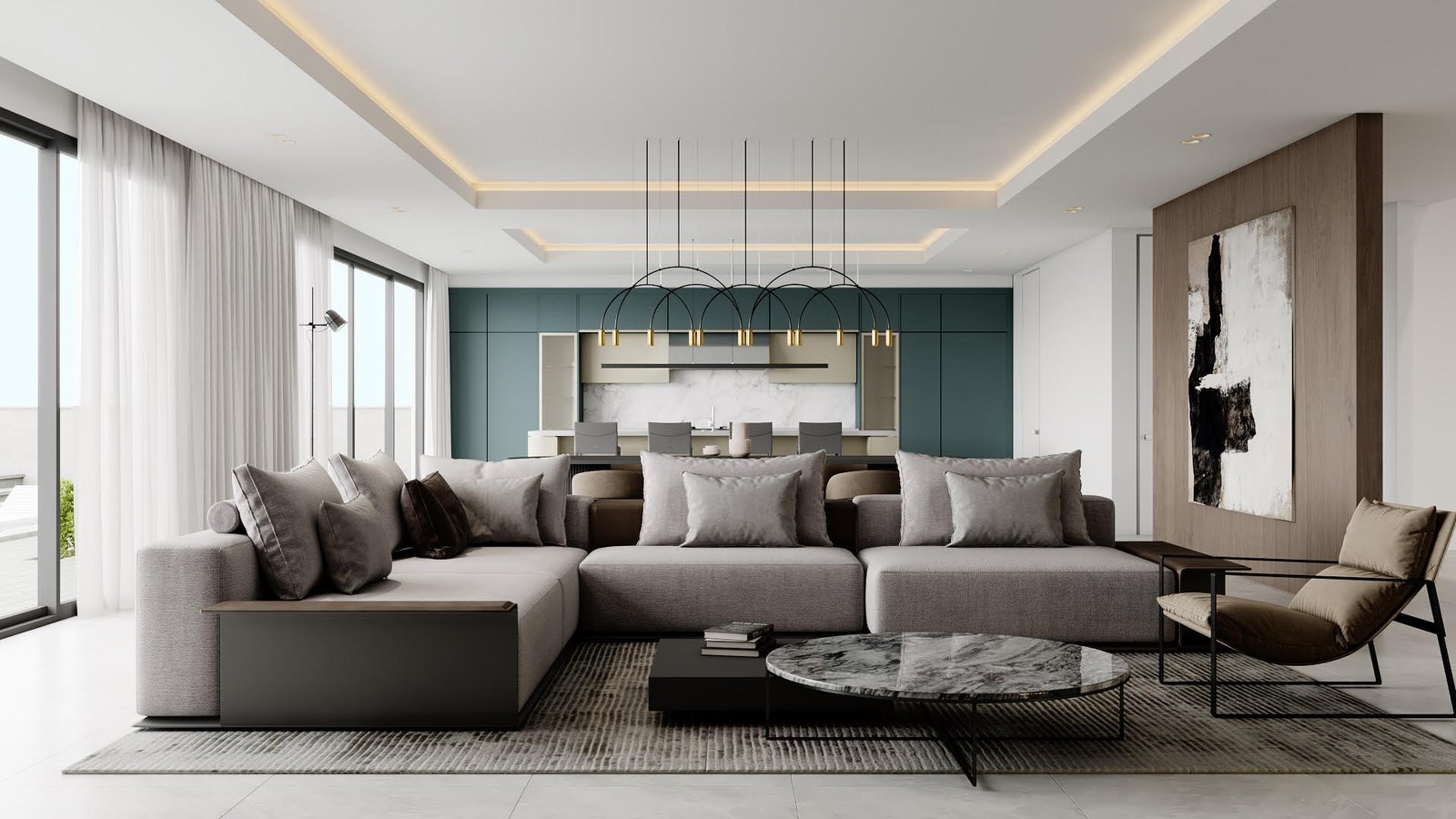
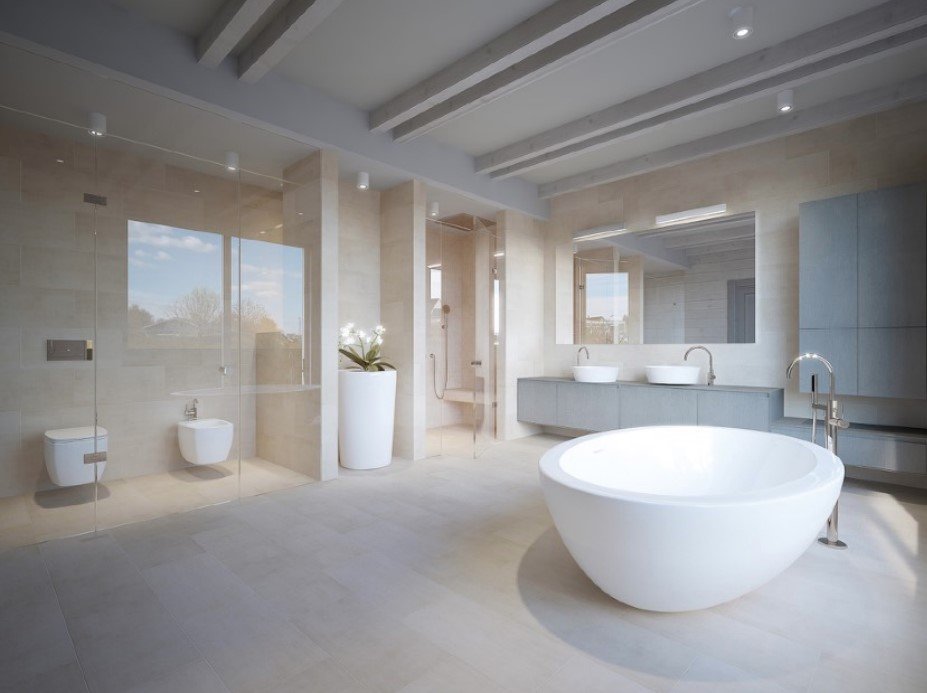
These examples show how interior design renderings for kitchens, closets, living walls, and bathrooms clarify layout, proportion, and finish balance before the project moves forward. Use these galleries to get ideas, then bring a short list of what you like to your consultation so we can align it with your space.
KITCHEN RENDERINGS
Kitchens often benefit from renderings because islands, tall storage, and appliance integration are easier to evaluate in one visual. This is where many homeowners gain confidence around spacing and finish direction.
BATHROOM RENDERINGS
Bathroom cabinetry involves tighter spaces and strong lighting. Renderings help confirm proportions, mirror and lighting placement, and how finishes feel in a smaller footprint.
CLOSET AND WARDROBE RENDERINGS
Closets benefit when proportion, door balance, and finish direction can be seen as a full wall. Renderings help when the closet connects visually to a bedroom or bath.
LIVING ROOM WALL UNITS AND BUILT-INS RENDERINGS
A living wall often becomes a focal point, so visual balance matters. Renderings help confirm display and closed storage balance, overall width, and how finishes read from across the room.
3D Rendering FAQs
When do 3D renderings help the most?
Renderings help most when you are deciding between finish directions, when lighting is complex, or when the layout includes multiple cabinet runs with different depths. They also help when a kitchen, living area, and adjacent spaces share one visual flow. If your project feels straightforward, drawings and showroom comparisons may already provide enough clarity.
What do you need from me to start a rendering?
Photos of the space, rough measurements, and a short list of priorities are a strong start. If this is a kitchen, include appliance sizes or model info if available. Inspiration images help when you want a specific door style or finish direction, since the rendering is strongest when the intent is clear.
Are 3D renderings accurate to the final cabinetry?
Renderings aim to represent real proportions, door style, and finish direction as accurately as possible before production begins. Exact finish tone may still vary slightly depending on lighting conditions and the material sample you choose in the showroom. That is why most homeowners use both showroom sampling and renderings together before final approvals
Are renderings a standalone service?
Renderings are part of cabinetry planning for Studio Quattro projects. The goal is better decisions around layout, finishes, and proportion in the context of your room. If you want to start with renderings, the best move is still a showroom visit so finish direction can be confirmed with real samples.
How do renderings relate to showroom sampling?
Renderings help you judge the room as a whole, while showroom sampling helps you confirm real finish tone and sheen. Together, they reduce guesswork and make approvals feel more confident. Many homeowners use the showroom to narrow options, then use a rendering to confirm the final direction.
Can renderings help with timeless or classic kitchen decisions?
Yes, especially when you are choosing between door styles, finish tone, and how much visual detail the kitchen should carry. A rendering can clarify whether the kitchen feels calm and lasting, or whether details feel too busy once they repeat across the room. Pair that with showroom comparisons to keep the finish direction grounded.